AI Adoption Accelerates Among Facilities Management
Most facilities managers experienced disruptions caused by labor shortages and AI gaps
October 29, 2026
Artificial intelligence (AI) is rapidly reshaping how organizations operate and maintain offices, manufacturing plants, data centers and other commercial real estate properties, according to JLL’s Global State of Facilities Management 2026 Report. Based on responses from 1,321 organizations worldwide, the research found that 45% of organizations are already scaling or optimizing AI in facilities management operations, a figure expected to rise to 86% by 2030.
While organizations are rapidly advancing AI adoption, many still need to build the workforce and operational capabilities to support it at scale. Nearly 70% of respondents reported operational disruptions during the past year caused by skilled-trades labor shortages and gaps in AI or technical skills. Yet, fewer than 45% said they are prepared to manage those risks during the next three to five years.
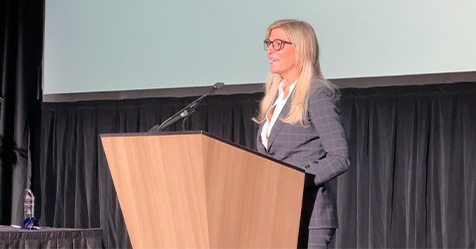
“Organizations across the Americas are rethinking the role of facilities management as they confront persistent skilled labor shortages, growing technology demands and heightened operational risks,” said Chris Fernandez, Americas head of workplace management at JLL. “The most successful organizations are treating facilities management as a strategic investment and using AI and data-driven operations to improve productivity and resilience while building the workforce capabilities needed to support long-term growth. As the demands on facilities teams continue to expand, facilities management is increasingly earning a seat at the executive table.”
Additionally, half of respondents view facilities management as a significant driver of competitive advantage, a figure projected to rise to 82% by 2030. Organizations with more advanced AI adoption also report higher perceptions of facilities management’s strategic value.
The study found that robotics adoption is also expected to nearly double, rising from 37% of organizations today to 71% by 2030. Furthermore, the research also found that organizations viewing facilities management as a competitive advantage are increasing investment rather than reducing resources. Among these respondents, 64% expected facilities management budgets to increase over the next three to five years, 58% planned to expand their workforce and 45% anticipated growth in both budget and workforce.
As organizations expand technology across larger portfolios, they increasingly recognize the need for external expertise as facilities operations become more technology-enabled and complex. Nearly half of advanced AI adopters considered external facilities management and technology partnerships essential, compared with just 20% of organizations that have not yet deployed AI.
“Data readiness remains one of the biggest barriers to scaling AI successfully,” said Wei Xie, head of strategy and research, workplace management at JLL. “As organizations advance their AI adoption, provider selection increasingly shifts from cost and reliability toward data, technology and innovation capabilities. Organizations deploying AI at scale are more than twice as likely as those in the early stages to view external partnerships as essential to success.”
Looking ahead, nearly 90% expect spending to shift from labor to technology and automation, and they expect greater use of outcome-based pricing, while 85% envision operations delivered through a combination of human technicians, AI and robotics; however, procurement processes have yet to keep pace.
Latest Articles
Sponsored Articles