The United States is in the middle of a demographic shift that no business can afford to ignore. According to the U.S. Census Bureau, adults aged 65 and older now make up the fastest-growing segment of the U.S. population and control more than US$85 trillion in assets.
The Federal Reserve System reports that U.S. senior citizens have more wealth than any other age group. They’re active, they’re spending, and they’re visiting restaurants, retail centers, entertainment venues, and cultural institutions in growing numbers. But a quiet barrier stands between this powerful demographic and full participation in public life: the public restroom.
A 2025 global survey from Tork found that half of adults aged 66-69—and one-third of those aged 70 and older—avoid using public restrooms even when they need to. Rather than complaining or leaving a negative review about an uncomfortable or dirty public restroom, they simply visit it less often, limit food and drink purchases, and eventually stop coming back to the venue. For facility managers, that silent exit is both a warning and an opportunity.
By providing three core restroom qualities—a clean and safe environment, privacy and comfort, and spaces that signal care—facility managers can meet older adults’ hygiene needs.
Ensure cleanliness
Older adults often avoid public restrooms due to basic hygiene issues such as unsanitary conditions, empty soap or toilet paper dispensers, and unpleasant odors. Only one in five public restrooms consistently meet these essential expectations, according to Tork’s 2025 survey.
When encountering a restroom that doesn’t meet these expectations, older Americans often choose not to return to avoid a repeat of the uncomfortable experience.
Facilities that meet these fundamental expectations follow three practices:
- Reliably stock soap, toilet paper rolls, and paper hand towels in high-capacity dispensers that control usage and are equipped to handle peak foot traffic. In addition, these facilities rely on data-driven cleaning workflow systems to give staff a real-time view of service needs across the facility, ensuring stocked dispensers and minimizing refill gaps.
- Minimize high-touch surfaces by installing hands-free dispensers to limit germs spreading and signal that the restroom is a safe, hygienic space. A 2024 Tork survey found that 44% of people feel anxious when using public restrooms. Grime and wet spots on restroom surfaces caused by malfunctioning soap dispensers can increase anxiety among older restroom patrons with compromised immune systems.
- Ensure frequent trash removal and proper ventilation to keep the restroom pleasant smelling. Facilities can maintain freshness between scheduled trash removals by strategically deploying automatic air freshener systems that eliminate odors rather than mask them.
Addressing these hygiene basics encourages older adults to use public restrooms, but covering the basics alone isn’t enough to make them feel fully safe and welcome in the space.
Provide a “rest” room
For many older adults, privacy and comfort are equally critical. Some need assistance from a spouse or adult child, while others manage mobility or health considerations that require additional time in a larger space. These requirements call for three restroom design practices:
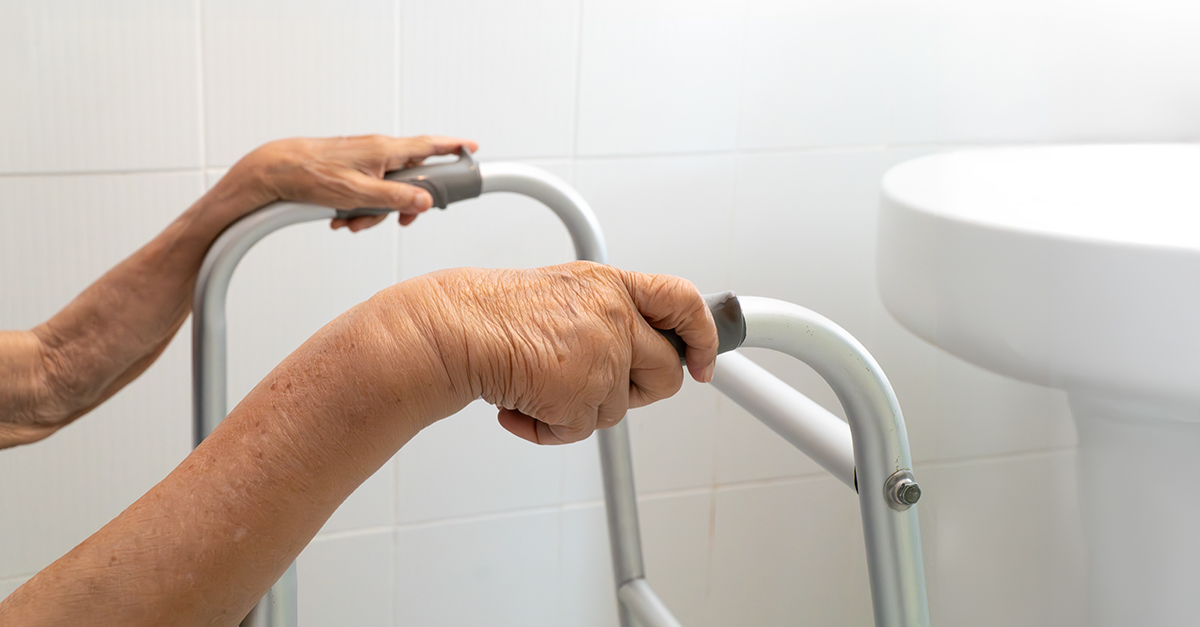
- Design for dignity. Ensure stalls have adequate space for mobility aids such as walkers or canes, along with grab bars positioned for stability. Larger, accessible stalls with dependable support features help reduce anxiety for both users and the caregivers assisting them.
- Reduce sensory overwhelm. Harsh lighting, loud hand dryers, and strong chemical odors can be disorienting for older adults and aggravate sensitivities, especially for those with vision or hearing impairments. Choose softer, even lighting to improve visibility and navigation, and use neutrally scented cleaning products to create a more comfortable, welcoming environment.
- Provide adequate seating and rest areas. A nearby bench or seating area outside the restroom serves a dual purpose: Older adults can rest before or after their visit, and caregivers have a place to sit comfortably while waiting for the person they’re caring for to exit the restroom.
When people feel respected and comfortable in a restroom, they’re more likely to engage with the venue, make a return visit, and recommend it to others. For those with specific health and mobility needs, these small changes can be even more impactful.
Create a cared-for vibe
Older adults recognize a well-cared-for environment when they see it. Whether it’s transparent communication about cleaning practices within a public restroom, clear labeling of products and features, or genuine openness to feedback, these signals tell users that the facility prioritizes their needs.
Communicating care starts with transparency. Signage posted in a restroom detailing cleaning schedules and including signatures from the workers who took each shift builds trust with guests and reinforces the human element behind the space.
Beyond cleaning frequency, facilities can highlight restroom accessibility features and product information. Label soap and sanitizer dispensers with ingredients, and consider products that are gentle on skin, which is critical for older adults—or anyone—with skin sensitivities such as eczema. Ensure any posted directions reduce confusion, not create it.
Finally, make it easy for older adults to share feedback. Simple mechanisms like comment cards ensure this demographic has a voice in how spaces are designed and maintained. When users see that their input leads to visible improvements, it builds confidence and encourages repeat visits.
Enhance the experience
For older adults, the condition of public restrooms can determine whether they feel safe, healthy, and confident enough to stay engaged in public life.
To ensure your facility isn’t driving the older generation away, start with the restroom fundamentals that prioritize cleanliness. Then layer in design enhancements that elevate privacy and accessible hygiene. This incremental approach is manageable and effective, ensuring facility guests see progress along the way.
Older adults don’t have complicated restroom needs. They’re seeking cleanliness, dignity, and a signal that someone cares enough to get it right. Facilities that deliver these restroom essentials not only gain loyalty from this important customer group, but they also experience better overall business performance.