INTRODUCTION
The Centers for Disease Control and Prevention (CDC), through its Epidemiology and Laboratory Capacity (ELC) program, and in partnership with the Department of Justice (DOJ), provided financial assistance to recipients to support the detection and mitigation of COVID-19 within confinement facilities. The purpose of this initiative was to strengthen public health response capacity by providing targeted resources to jails, prisons, and detention centers.
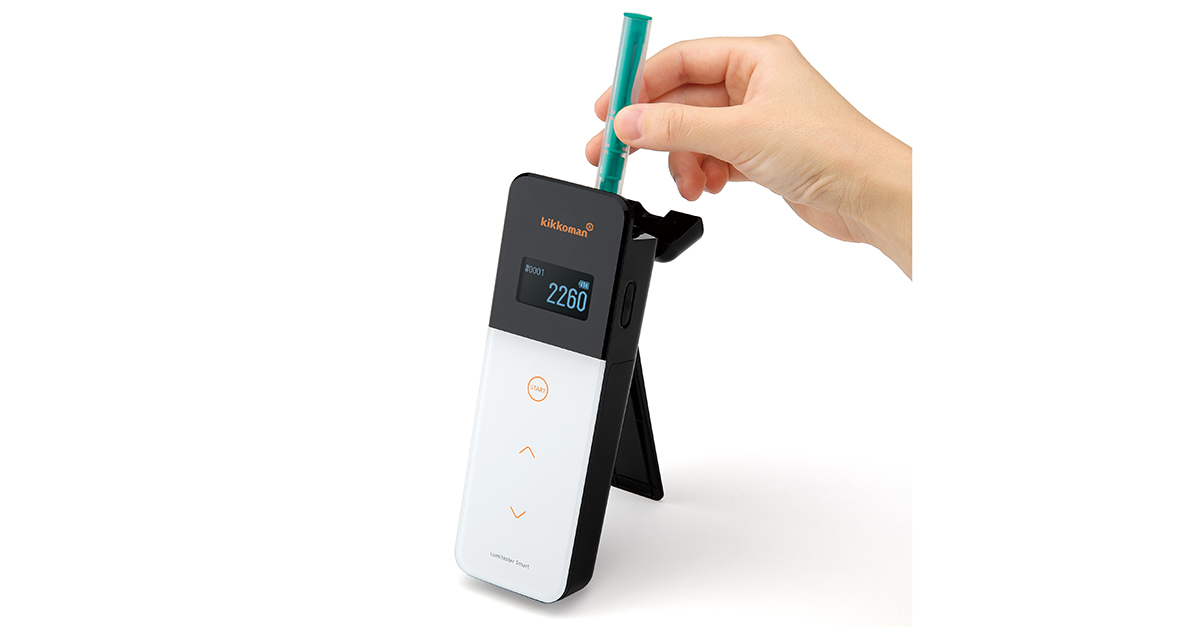
This case study presents the findings of an ATP-based cleanliness evaluation conducted using the Kikkoman Lumitester Smart. The goal was to assess the effectiveness of current cleaning and sanitization procedures across multiple areas of each county correctional facility.
ABSTRACT
The ATP Test (Kikkoman A3) is a scientific tool used to measure surface cleanliness by detecting residual organic material at the molecular level. During the 2021–2024 COVID-19 ELC Grant Program, ATP was introduced across all 56 New York State County Jails, plus five Specialized Secure Detention (SSD) facilities, to establish a standardized, quantifiable definition of “clean.” Using ATP testing provides a rapid, objective method to measure and verify the effectiveness of cleaning and sanitization protocols. The quantification enabled by ATP measurement eliminates subjective interpretation of cleaning effectiveness and improves overall hygiene management. The measurements, expressed in relative light units (RLU), allowed jail administrators to identify high-risk areas, implement corrective actions, and track sanitation improvements over time.
This case study highlights how ATP Test (Kikkoman A3) enhanced operational accountability, promoted evidence-based decision-making, and significantly improved cleanliness outcomes throughout the New York county jail
system.
METHODOLOGY
All 56 New York State county jails and five SSD facilities were evaluated using the ATP Test (Kikkoman A3) pre- and post-cleaning for health program implementation. Each facility was provided with its own ATP meter and
testing swabs.
All the county facilities received baseline measurements during the evaluation period. Areas tested at each New York State county jail and SSD facility included: breakroom tables, locker room door handles, staff restroom door handles, intake counters, kitchen counters, and incarcerated population tables and chairs.
RESULTS
During data collection, quantifiable data points were categorized by color to align with the ISSA Clean Standard. The red zone indicated ineffective cleaning, the yellow zone “needs improvement,” and the green zone “effective
cleaning.” This allowed the jail administration to identify the level of cleaning at a quick glance.
Initial testing in 2022 results
- 100% of the jails had more than one surface in the red zone.
- Only 8% of the jails had one or more surfaces in the green zone.
- The highest reading from the ATP meter was a surface RLU level of 385,893, and the lowest reading on the cleanest surface was 158. Both readings were captured in staff break rooms on tables that were recently cleaned based on the required scope of work for the breakroom area.
Following the initial ATP testing results, the team implemented a series of recommendations to strengthen the facility’s cleaning and sanitation practices. These recommendations included:
- Training both staff and incarcerated individuals in cleaning management principles, best practices, and sanitation standards.
- Launching a “Cleaning for Health” training and certification program for the incarcerated population, providing participants the opportunity to earn the Certified Custodial Technician (CCT) certification through the Cleaning Management Institute (CMI) program, helping them gain valuable vocational skills and become job-ready upon release.
- Offering ongoing support through speaking engagements at national and state conferences, conference calls, site visits, and standards development.
In late 2023 and early 2024, the team revisited 11 centers to resample surfaces using ATP measurements. The results were mixed based on the implementation of the suggestions and the new Cleaning for Health training program.
All the jails that participated and implemented the suggested adjustments saw an impact in areas beyond cleaning, such as an enhanced culture between staff and a reduction in the infractions tracked. As the focus shifted
to prioritizing clean, safe, and hygienic jails, both staff and incarcerated individuals showed appreciation for the improvements. In some jails, there was a waiting list to enter the Cleaning for Health Program, which heightened
the level of hope and a sense of purpose among the population serving a sentence.
CONCLUSION
The ATP Test (Kikkoman A3) confirmed that most cleaning practices across the evaluated facilities are effective in reducing surface residues to acceptable levels. The study also aimed to identify specific high-risk areas where
sanitation procedures require improvement.
Ongoing ATP monitoring provides a reliable verification tool, ensuring that cleanliness standards are consistently maintained and that corrective actions are both effective and measurable. This proactive approach supports
regulatory compliance, enhances operational hygiene, and strengthens overall facility safety.
Importantly, without the quantitative measurements provided by the ATP Test (Kikkoman A3), there would be no objective way to determine or demonstrate cleanliness, making the testing an essential component of evidence-based sanitation management. Measuring ATP using the Kikkoman A3 test, the entire value chain of jails, advisors, distributors, and manufacturers was able to collaborate to make a lasting impact on New York State.
For complete case study data/details, visit cmmonline.com/kikkoman-A3.