Handwashing Habits in Public Restrooms Slip
One in five admit they are more likely to skip handwashing when no one else is around
February 18, 2026
Most of Americans (70%) are very or somewhat concerned about contracting the flu compared to 59% who felt that way just three years ago, according to the Bradley Co. 2026 Healthy Handwashing Survey™.
That rising concern is translating into more diligent hand hygiene. The survey found that 81% of Americans said they wash their hands more frequently or more thoroughly during flu outbreaks and seasonal virus surges, up from 74% in 2023. Nearly all respondents (93%) believe handwashing is important to maintaining overall health, reinforcing its role as one of the most trusted and accessible ways to help reduce the spread of illness.
“Handwashing, using soap and warm water, is one of the simplest and most effective ways to reduce the spread of disease, including the flu,” said Dr. Brian M. Forster, microbiologist and chemical hygiene officer at Saint Joseph’s University. “Our hands touch many surfaces during the day, including our face, and are an easy way for us to pick up something that can make us sick.”
The survey found that coughing, sneezing, or being around someone who is sick are the actions most likely to prompt handwashing. When feeling ill, Americans are most likely to drink more fluids, wash their hands more frequently, and stay home when possible.
The survey also revealed handwashing habits often don’t last, especially in public restrooms, highlighting a growing disconnect between awareness and daily behavior.
Last year, 81% of Americans said they always washed their hands after using a public restroom. In 2026, that figure dropped to 76%. Additionally, more than three-quarters of Americans (77%) said they have seen others leave a public restroom without washing their hands, up from 68% in 2024. At the same time, one in five admit they are more likely to skip handwashing when no one else is around, underscoring the role social accountability plays in hygiene compliance.
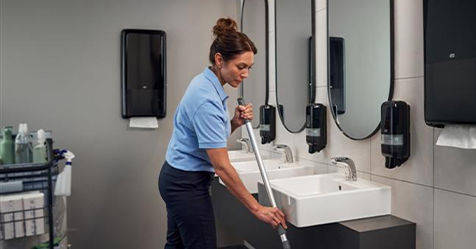
“For many people, the decision to wash their hands in a public restroom is influenced by the environment,” said Jon Dommisse, Bradley Co. vice president of business development and strategy. “If a restroom appears poorly maintained or understocked, it can discourage proper handwashing—at exactly the moment when it matters most for public health.”
On average, Americans report washing their hands about eight times per day, but frequency varies widely. Women wash their hands about two times more each day than men, a long-standing pattern that continues to underscore the gap between awareness and everyday practice.
While lathering up with soap and water is the best way to wash hands, 44% of Americans admit to just rinsing with water. Men are more likely to bypass soap than women (50% vs. 38%).
Sponsored Articles