The option of renting instead of purchasing cleaning equipment can offer flexibility to in-house service providers (ISPs) and building service contractors (BSCs) who are challenged with establishing and maintaining efficient cleaning practices while also managing overall operating expenses.
Long-term rental solutions can help cleaning and maintenance professionals avoid an ownership model that may not serve their needs or fit their budget. As renting is a fixed monthly cost, it is often easier to manage than a large capital expenditure. Renting also frees up money for emergency expenses, such as a new air conditioning unit in an ISPS’s facility or additional trucks for a BSC’s fleet.
Long-term rental details
Cleaning operations that require a high level of service and uptime, or that have tight deadlines, are well suited for long-term rentals. Long-term rental solution plans typically range from four to 36 months, depending on the provider or contractor’s needs.
Rental solutions providers typically offer discounted rates for longer rental plans, with options to end the agreement early if the equipment is needed for less time than expected. This opt-out involves a discussion with the rental company to pro-rate the agreement in a manner that is agreeable to both parties.
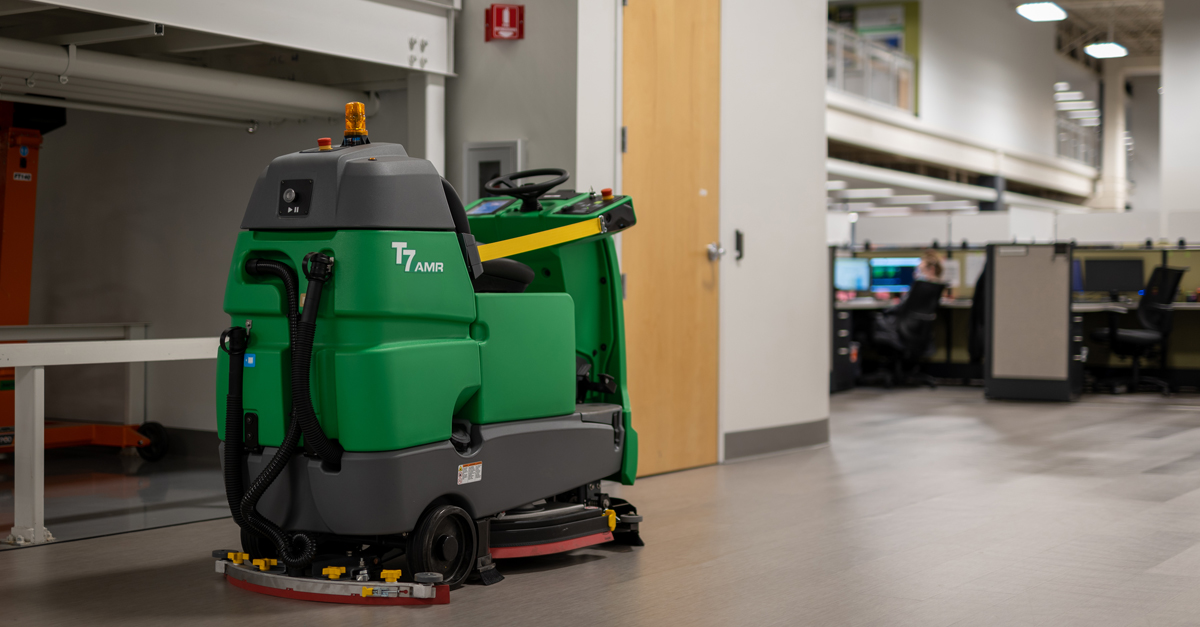
Available equipment includes ride-on and walk-behind scrubbers and sweepers, as well as more sophisticated solutions like autonomous mobile robots (AMRs) that operate as a “cobot” alongside cleaning staff, allowing them to take on more detailed-orientated tasks like cleaning and disinfecting high-touch areas.
Cleaning drones for facility exteriors are also growing in popularity as a rental option, as are large outdoor sweepers for parking areas and walkways. This equipment tends to be expensive, making the option of long-term rental more appealing.
While the financial factors may be the primary reason for looking into long-term rental, there are a host of additional benefits.
Access to new technology: Rental companies keep a close eye on the latest solutions and can regularly add new equipment to their fleet. This variety allows renters to try new technologies without the risk of making an investment. In addition, access to the latest, highest quality equipment also increases a cleaning organization’s reliability, leading to improved uptime.
Flexibility: Long-term rentals provide the flexibility to increase or decrease the amount of equipment within the rental agreement should the scope of work change. There is also flexibility in the type of equipment customers can rent as they are not tied to one serial number throughout the life of that rental. If a piece of equipment no longer suits their needs, or they need a larger scrubber or sweeper, they have the option to make changes. Rental clients can also add equipment to their cleaning program. For example, if a BSC takes on a facility with an adjacent parking garage that is a significant source of dirt brought into the building, it can add a large power broom or outdoor sweeper to its rental fleet to make cleaning more efficient.
Immediate equipment needs: Rental solutions providers can quickly fulfill equipment needs when a scrubber or sweeper needs repairs. Most can either fix or replace the necessary piece of equipment within the same day, so that ISPs and BSCs can stay within their scope of work. This benefit brings long-term savings since the responsibility and cost of equipment maintenance and repairs fall to the rental solutions provider. In addition, quick equipment repairs or replacements minimize downtime that could negatively affect project deadlines or increase labor costs.
Maximum utilization: Long-term rentals can help facilities maximize utilization of their equipment. For instance, schools may use a floor scrubber regularly during the academic year but put it in storage during summer break. Owning equipment that is only used for a portion of the year can be a costly investment. Long-term rental can offset that cost by providing a rental plan the fits the timeline when the equipment is necessary. It also ensures that the equipment is in working order when it is deployed.
Less overhead: As scheduled maintenance is part of a long-term rental agreement, ISPs and BSCs can reduce costs associated with hiring maintenance and repair technicians. BSCs also may be able to reduce the number of vehicles they keep for transporting equipment.
Increased BSC competitiveness: With access to a range of flooring equipment through long-term rental, BSCs can position themselves to bid on additional projects—making them more competitive without the concern of capital investments. If they decide to purchase a core piece of equipment to expand their business, long-term rental can fill the lead-time gap while they are waiting to secure their capital.
Partnerships with rental providers
Rental solutions providers work with their clients to ensure they are entering into the right long-term rental agreement with the right equipment. A representative can analyze their clients’ cleaning program or scope of project—including labor availability—and walk through the facility with them to assess it. They will also discuss the projected utilization of the equipment. For example, if a client will use the equipment over the standard 160 hours a month for a rental, renting a larger more robust scrubber or sweeper may make better sense. By gathering information, the rental solutions provider can provide an accurate recommendation for the size and type of equipment that will introduce the most efficiencies.
Upon completion of the rental agreement and the equipment delivery, a representative from the rental company can also provide equipment demonstrations and training. Most rental solutions providers offer free training for the entire length of the rental agreement and for any rental technology upgrades. This ensures that new employees receive the appropriate training on existing equipment and that existing employees receive training on new equipment.
In any rental partnership, the goal is to provide ISPs and BSCs with the equipment and support they need to operate a safe and efficient cleaning program benefiting the facilities they serve.