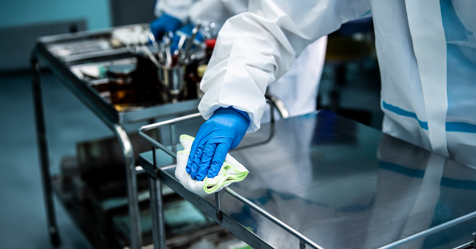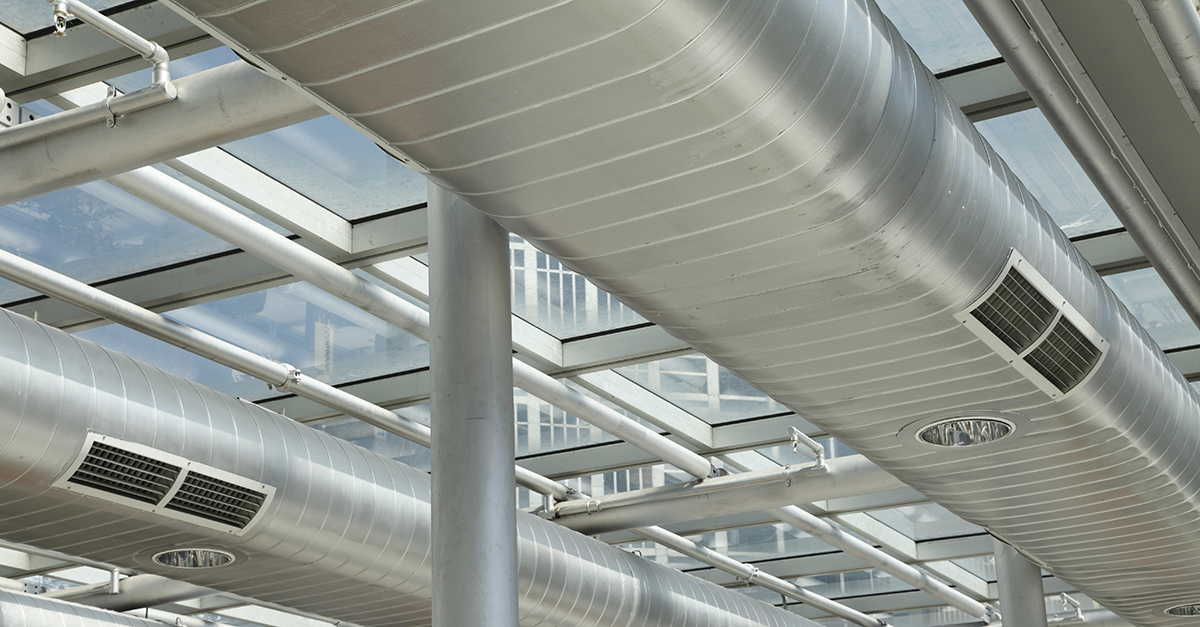
Traditionally, cleanliness in facilities, whether it’s a workplace, school, hospital, or senior living facility, has been associated with visible standards—gleaming floors, clear windows, and surfaces free from visible dirt. However, the understanding of what constitutes a healthy indoor environment has expanded significantly. Today’s definition of health and safety includes the quality of the air occupants breathe, calling for a comprehensive strategy that integrates cleaning practices, air quality management, and regulatory compliance to support occupant health, well-being, and
productivity.
Understanding the indoor environment
Buildings operate like complex ecosystems, with multiple interconnected factors influencing indoor air quality (IAQ). Building materials, ventilation systems, cleaning products and practices,
occupant behaviors, and even furnishings all play a role in the indoor environment. Each of these elements can introduce or mitigate exposure to invisible pollutants, including allergens (e.g.,
pollen, dust mites, and mold), volatile organic compounds (VOCs), particulate matter, and airborne pathogens.
The National Institutes of Health reports that 50% of illnesses are either caused or worsened by poor IAQ. Individuals with respiratory conditions such as asthma, or vulnerable sectors of society
like children, are especially susceptible. Over 50% of U.S. homes contain at least one elevated indoor allergen, and buildings designed for energy efficiency without proper ventilation can trap
hundreds of chemicals indoors, contributing to sick building syndrome (SBS).
A term coined in the 1970s, SBS described the health problems caused by inadequate ventilation and pollutant buildup in tightly sealed office buildings. Though the term is less commonly used
today, the underlying issues remain, manifesting in symptoms such as eye irritation, dizziness, and respiratory symptoms, which often resolve once a person leaves the affected building.
The consequences of poor IAQ go beyond physical health. Occupants in buildings with high levels of VOCs often have lower performance scores on cognitive tests, up to 61% lower compared to occupants in low-VOC environments, according to a study in the journal Building and Environment. In contrast, occupants in green-certified buildings, which typically feature superior ventilation and material choices, have shown a 26.4% improvement in cognitive test performance, another study in the same journal reported.
Emerging regulations, such as the American Society of Heating, Refrigerating and Air-Conditioning Engineers’ (ASHRAE) Standard 241, emphasize the importance of managing infectious
aerosols and enhancing ventilation strategies, guiding facility managers toward healthier indoor environments. Standards such as this encourage facility managers to adopt evidence-based approaches to improve IAQ proactively. Interestingly, ASHRAE 241 is the first consensus-based, code-enforceable standard to address building preparedness and airborne infection risk
reduction directly.
Cleaning for air quality
Traditional cleaning routines often fall short of addressing the root causes of poor IAQ, or worse, may contribute to poor IAQ. Many products and practices redistribute allergens into the breathing
zone and release VOCs, negatively affecting air quality. Effective cleaning requires the selection of products that minimize chemical emissions and actively remove allergens. Low-VOC cleaning products, scientifically tested and independently verified through credible third-party programs like the Asthma and Allergy Foundation of America’s Asthma & Allergy Friendly® Certification Program, offer reliable solutions while supporting better IAQ.
Effective ventilation, filtration, and humidity control are also essential considerations. Simple steps, such as regular maintenance of HVAC systems and timely replacement of HVAC filters, can greatly influence indoor environments. Choosing certified HVAC filters and air purification systems also can play a key role in reducing indoor pollutants. The use of verified systems ensures products have undergone rigorous, independent testing proving that they effectively remove allergens and particles without introducing harmful by-products, ensuring real-world performance and subsequent health benefits.
Differentiating between certifications and selfie seals
In today’s crowded marketplace, health claims, certifications, and seals are everywhere, but not all are created equal. Amid a sea of marketing claims and loosely defined standards, it’s essential
to recognize the programs that go beyond surface-level messaging to deliver real, evidence-based assurance.
Genuine third-party certifications provide transparency, accountability, and confidence. Programs like the Asthma & Allergy Friendly® Certification Program, the U.S. Green Building Council’s Leadership in Energy and Environmental Design (LEED) rating system, and the International Well Building Institute’s WELL Building Standard® (WELL) set high standards, supporting informed decision-making for facility managers who seek products that are proven to contribute positively to occupant health. Backed by accredited laboratories like Airmid Healthgroup, these programs help facility managers make informed choices that align with both health goals and regulatory expectations. Certified products must pass scientifically validated protocols that assess performance in real-world conditions, not just ideal scenarios.
This level of scrutiny stands in contrast to what are often referred to as “selfie seals”—unverified labels that appear to suggest third-party verification, but lack substantiated evidence, leading to consumer confusion and potential regulatory pushback. Regulatory bodies, including the Federal Trade Commission (FTC) and the European Commission, increasingly target these misleading claims, resulting in significant fines and consequential reputational damage for companies.
Educating for action
Despite growing awareness around IAQ, there remains a significant knowledge gap among cleaning and maintenance professionals, perhaps due to limited access to specific training. Tailored education programs are a fundamental tool in bridging this gap. One notable initiative is the Healthier Buildings Awareness training course, developed by the iAIR Academy in partnership with ISSA’s Global Biorisk Advisory Council (GBAC). Specifically designed for facility management professionals, the course addresses a broad array of factors relating to IAQ, including the impact of pollutants on respiratory health, the science behind pathogen control, and the opportunity for becoming an indoor air specialist.
This educational support means professionals are equipped with practical knowledge, empowering them to implement efficient cleaning routines and select appropriate products that support a healthier indoor environment. For organizations that adhere to environmental, social, and governance (ESG) guidelines, the use of certified products contributes positively to their objectives, highlighting a commitment to occupant well-being and sustainability.
Rethinking clean
A genuinely effective approach to healthy buildings requires integrating building science, medical insights, and operational best practices. Implementing a holistic IAQ strategy involves careful selection of certified cleaning products and green building materials, rigorous adherence to improved cleaning protocols, and comprehensive staff training. Regular IAQ monitoring and timely maintenance further support ongoing improvements.
By considering the indoor environment as a system, managers can identify interconnected factors that influence IAQ. For example, choosing flooring, paint, and insulation materials that are independently certified to support better IAQ can dramatically reduce VOC emissions and allergen accumulation. Consistently using verified cleaning products reduces the allergen burden while minimizing airborne chemicals and particle concentration.
During National IAQ Awareness Month in October, and all year long, facility managers can take proactive steps to embed IAQ strategies into their daily operational frameworks. By adopting a comprehensive, integrated approach, facility professionals across all sectors can take the lead in the healthier buildings movement, creating environments that support occupant well-being, enhance performance, and meet growing demands for health-focused, sustainable operations.