Employ Common-Sense Solutions to Eliminate Workplace Germs
Infection control polices combined with thorough cleaning keeps workers healthy
September 30, 2019
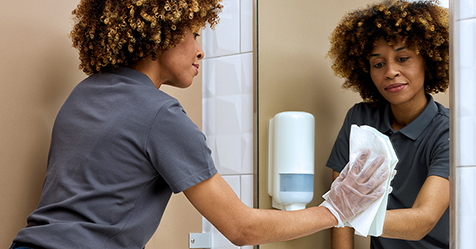
From office buildings and educational facilities to shops and warehouses, workplaces are a hotbed of germs. With the advent of flu season, the National Safety Council (NSC) reminds facility managers and cleaning staff that simple policy changes combined with thorough cleaning methods can eliminate pathogens and keep employees healthy, Occupational Health & Safety reports.
Workplaces are the site of 2.8 million non-fatal workplace illnesses and injuries every year, with many of these from poor infection control, according to the U.S. Centers for Disease Control and Prevention (CDC). As a result, businesses spend close to US$46 billion on workplace cleaning every year
Some simple solutions include enacting policies requiring workers to stay home when they are sick and making sure workspaces are well-lit with natural light, as UV light from the sun can help destroy harmful bacteria. Focused cleaning of high-touch areas, such as light switches, door handles, and surfaces in breakrooms and other common areas, can keep the germiest areas more hygienic. Employers should also encourage their staff to regularly wipe down electronics, including company computers as well as personal devices such as mobile phones.
Latest Articles
Sponsored Articles