Transparency is more than a buzzword; it’s a business necessity. According to research from social media management platform Sprout Social, 86% of Americans said transparency from businesses is more important than ever.
Across all industries, customers and partners are demanding greater insight into the products they use, and the processes and values that guide the companies they support. The commercial cleaning industry is no exception. Transparency plays a critical role in building trust, safety, and promoting sustainability throughout the cleaning industry supply chain.
Why transparency matters
At its core, transparency is about being open and honest. In the cleaning industry, this means being clear about the ingredients in products, the methods by which these products are made, where the products’ materials come from, and the impact of company operations on people and the planet. Whether you’re a facility manager selecting new cleaning tools or a distributor seeking reliable partners, understanding these details is essential to making informed decisions.
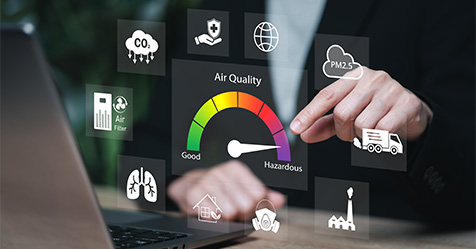
Cleaning products and equipment have a direct impact on indoor environments and the health of occupants. Some cleaning products have high levels of volatile organic compounds (VOCs), which can cause respiratory problems and trigger allergies. Transparent labeling and material disclosure enable facility managers to avoid potentially harmful chemicals and ensure the correct tools are used in the appropriate settings.
Meeting sustainability goals
As more businesses set ambitious sustainability goals, transparency enables them to highlight their efforts to reduce waste, minimize energy consumption, and repurpose materials. Transparency also helps prevent greenwashing—the practice of making misleading claims about environmental practices—by providing clear, verifiable information. This openness enables customers to choose solutions that align with their own environmental commitments, creating a shared path toward a greener future.
Customers expect companies to take responsibility for the conditions under which their products are sourced and manufactured. Transparency throughout the supply chain helps ensure fair labor practices, responsible sourcing, and regulatory compliance. Vertically integrated manufacturers, for example, have better control over tracing materials and upholding high ethical standards because they control the entire supply chain, from raw material sourcing to delivery to end-users.
Building loyalty
Whether it’s a facility service provider, distributor, or manufacturer, transparency is key to fostering long-term relationships. When customers perceive a company as transparent, 94% are more likely to remain loyal, according to a report by product data analytics company Label Insight. When customers have access to clear facts and reliable data, they can make informed decisions with confidence. In an industry where reliability and consistency matter, that trust is invaluable.
Transparency starts with clear communication. Cleaning companies can take meaningful steps by choosing products and tools with clear, accurate labeling. Manufacturers can support this effort by openly sharing how their products are made, including details about the product’s life cycle. Incorporating third-party certified products adds credibility by validating environmental and safety claims. Ultimately, educating customers and partners through honest conversations and accessible resources fosters long-term trust and confidence.
A transparent future
Transparency is not just about marketing; it’s about accountability. It ensures products are safe, sustainable, and ethically made. More importantly, it builds and sustains the trust of those who rely on the cleaning industry every day. By embracing transparency, we can move the industry forward to a cleaner, greener, and more sustainable future.