Labor Department Offers Nearly $13M in Grants for Worker Safety, Health Training

July 7, 2026

The Department of Labor is providing US$12.7 million in Susan Harwood Training Grants to support the delivery of training and education to help workers and employers identify and prevent workplace safety and health hazards. 

Administered by the department’s Occupational Safety and Health Administration (OSHA), the grants aim to advance the job quality of the American workforce by providing instructor-led training opportunities for workers and employers in small businesses with an emphasis on industries with high injury, illness, and fatality rates. 

The grants will fund training and education on hazard awareness, avoidance, and controls to protect workers from on-the-job hazards, and to inform workers of their rights and employers of their responsibilities under the Occupational Safety and Health Act. 

Applicants may apply in the following categories: 

  • Targeted Topic Training: Support educational programs that identify and prevent workplace hazards and require applicants to conduct training on OSHA-designated workplace safety and health hazards. 
  • Training and Educational Materials Development: Support the development of quality classroom-ready training and educational materials that identify and prevent workplace hazards. 

The grants are available to nonprofit organizations, including community-based, faith-based, and grassroots organizations; employer associations; labor unions; joint labor/management associations; Indian tribes; and public/state colleges and universities; entities that operate OSHA On-Site Consultation programs; and OSHA Training Institute Education Centers. 

Submit applications no later than 11:59 p.m. ET on July 31. Applicants must register with Grants.gov and the System of Award Management to apply. 

The grants honor the legacy and work of Dr. Susan Harwood who, during her 17 years with OSHA developed workplace safety guidelines for benzene, formaldehyde, bloodborne pathogens, and lead in the construction industry. Harwood was also primary author of OSHA’s cotton dust standard which virtually eliminated byssinosis—a lung disease that causes asthma-like symptoms—among textile workers. 

Read the funding notice and how to apply here


Tags

Wildfire & Heat Across Colorado Make Air Quality Worse

People do not always need to see or smell smoke for it to affect their health

July 7, 2026

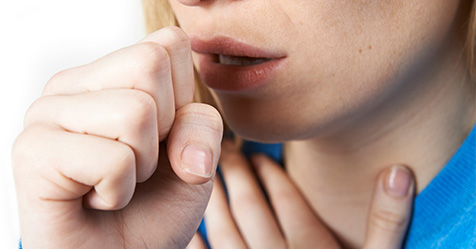
The Colorado Department of Public Health & Environment (CDPHE) is encouraging Coloradans in areas affected by wildfire smoke to use available air quality resources. Wildfire smoke drifting across Colorado, combined with hot summer temperatures, is degrading air quality in Colorado, posing health risks, especially for those with respiratory conditions, a local news agency reported

Smoke conditions can change quickly depending on fire activity, wind, and weather, and the health agency said Coloradans should check the Air Quality Index to stay aware of local conditions. 

“Colorado’s air quality is being impacted by wildfire smoke, and the health and safety of Coloradans is our top priority,” said Colorado Governor Jared Polis. “We’re urging Coloradans (especially those with respiratory conditions), children, and older adults to limit strenuous or extensive outdoor activity and stay informed as conditions change. Colorado is coordinating across state and local agencies to track air quality in real time and get accurate, timely information to every affected community,”  

“CDPHE’s air quality forecasters are closely monitoring smoke conditions and air quality data to provide timely information to Coloradans and local partners,” said Jill Hunsaker Ryan, CDPHE executive director. “We encourage people in affected areas to use CDPHE air quality advisories and alerts, as well as the .” 

Wildfire smoke contains fine particles that can irritate the lungs and heart. People do not always need to see or smell smoke for it to affect their health, CDPHE said. Children, older adults, pregnant and postpartum people, outdoor workers, people with asthma or other heart or lung conditions, and anyone exercising outdoors may face greater health risks.  

While limiting time outdoors helps protect people, fine particles can also enter homes and buildings and adversely impact individuals. When smoke events are widespread and long-lasting, exposures add up.  

Coloradans can protect themselves by taking these actions:  

  • Check current air quality conditions at Colorado.gov/airquality, Fire.AirNow.gov, or through the AirNow mobile app.  
  • Sign up to receive CDPHE Air Quality Alerts via email.  
  • Review CDPHE air quality advisories and the Colorado Smoke Blog for current smoke information.  
  • Limit time outdoors when smoke is present. 
  • Avoid strenuous outdoor activity, including running, biking, or mowing the lawn. 
  • Take steps to maintain a cleaner indoor air space
  • Keep windows and doors closed when smoke is present.  
  • Use air conditioning on the recirculate setting, if available. 
  • Use a HEPA air cleaner in the room where you spend the most time, if available.  
  • Consider spending time at a public space with cleaner indoor air, if you don’t have air conditioning or a HEPA air cleaner at home. 
  • Consider wearing a well-fitting N95 or KN95 mask if you must be outside.  
  • Check on your friends, family, and neighbors.  

Anyone in the vicinity of a wildfire should follow orders from local authorities first and foremost. The latest information on links to local authorities can be found at DHSEM.Colorado.gov. To be prepared to evacuate, if necessary, and prepare a go kit with recommended items. CDPHE asks all Coloradans to sign up for county emergency alerts here


Tags

Latest Articles

The New Reality of Office Restroom Maintenance Operations
July 6, 2026 Anuj Sinha

The New Reality of Office Restroom Maintenance Operations

July 2, 2026

D.A.R.E. to Clean Restrooms Smarter with Tornado

July 2, 2026

Freshness That Never Fades

Sponsored Articles

D.A.R.E. to Clean Restrooms Smarter with Tornado
July 2, 2026

D.A.R.E. to Clean Restrooms Smarter with Tornado

July 2, 2026

Freshness That Never Fades

July 2, 2026

Spotless Restrooms Start With i-Mop

Recent News

plastic, litter, recycling

Plastic-Free July Aims to Reduce Plastic Waste

See What’s Inside the Latest Edition of INCLEAN Magazine

EPA and FIFA Partner for World Cup Health