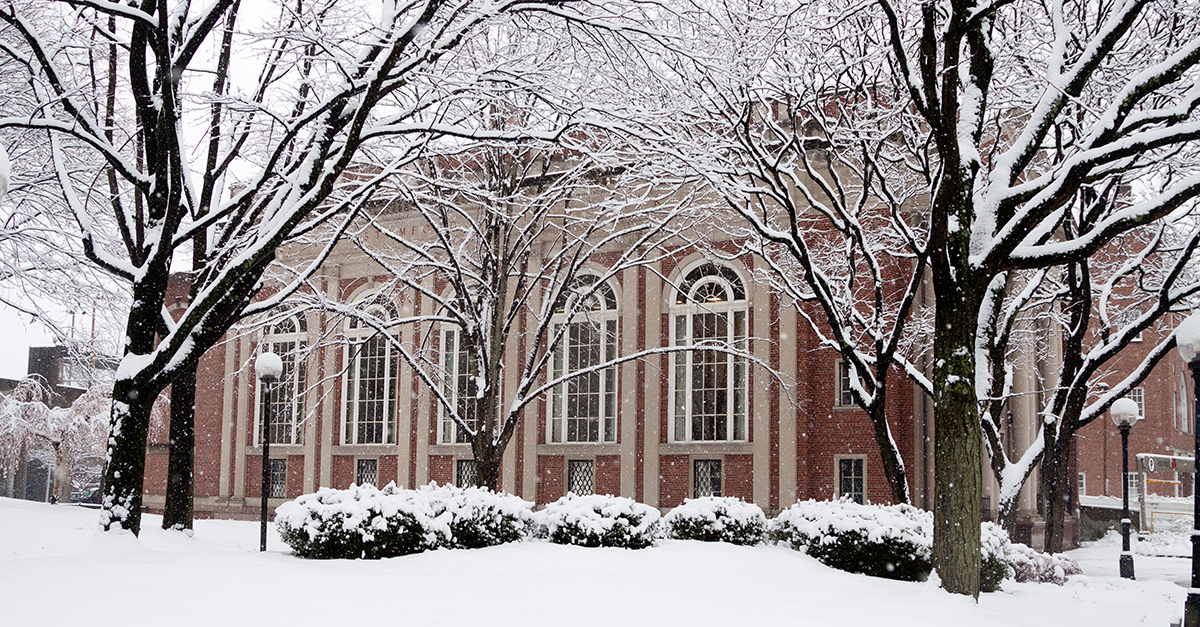
During my facility management career, I have experienced freezing temperatures across the United States, from Alaska to Florida. This allowed me to witness how various communities handled snow and ice; some regions were prepared while others were paralyzed.
Winter is a facility management stress test. Every building system—from roofs and plumbing to air handling units and building automation controls—is affected by freezing temperatures, snow, and ice. Faring well through the winter months isn’t about having the newest, nicest facilities; it’s about preparing your buildings long before temperatures drop.
Tasks on a winterization checklist are essential, but they’re only one piece of the puzzle. The facilities that consistently make it through winter with fewer disruptions don’t necessarily have longer checklists. They treat winter preparedness as an extension of effective facility management, not a seasonal project. Whether you’re responsible for a school district, healthcare facility, or corporate campus, the goal is the same: to reduce risk before winter exposes vulnerabilities.
Plan long before winter
By the time the first freeze arrives, various factors have already determined how a building will perform. Deferred maintenance, aging equipment, and unresolved work orders are problems year-round, but in the winter they become even more difficult to address.
The strongest winter preparedness programs aren’t built over a few weeks in the fall. They’re the result of consistent maintenance throughout the year. A roof inspection completed in the spring, pipe insulation repaired during the summer, or a boiler deficiency corrected before heating season all contribute to how well a building performs months later.
That doesn’t mean there’s no value in seasonal preparation. Fall is the time to verify that drainage systems are clear, exposed piping is protected, and heating systems are ready for increased demand. But those efforts should confirm the work that’s already been done, not make up for months of deferred maintenance.
Think of risk, not assets
One of the biggest mistakes organizations make is treating every building system the same. Some assets deserve far more attention than others because the consequences of failure are much greater.
Begin by identifying the systems that will have the greatest operational impact if they fail. A boiler serving an occupied school during a cold snap deserves a different level of attention than one serving a storage building. Inspect a roof drain with a history of clogging more frequently than one that has never caused problems. When winterizing facilities, context matters in every decision.
Winter preparedness becomes much more effective when you direct resources where they will have the greatest impact. Utilize historical work orders as a planning tool. They reveal recurring freeze damage, spotlight equipment that falters during periods of extreme cold, and identify areas of a facility that consistently generate emergency calls. Instead of starting from scratch each fall, use past data to prioritize inspections, deferred maintenance, and capital planning.
Prep people and the building
Even the most well-run facilities experience unexpected challenges. Equipment fails. Power outages happen. Winter storms don’t always arrive on schedule. How well facilities handle unexpected emergencies comes down to preparation and communication.
Every organization must have a clear understanding of who is responsible for monitoring weather conditions, responding to after-hours alarms, and making operational decisions during severe weather. Identify contractors and service providers before they’re needed, and order critical spare parts long before installation becomes necessary.
Communication matters just as much as maintenance. When all team members understand their respective roles and responsibilities before an emergency occurs, they can make faster decisions and minimize disruptions.
Make technology work for you
Today’s facilities have access to more building data than ever before. Building automation systems, remote monitoring platforms, and connected equipment devices can provide valuable insight during winter months, especially when facilities experience prolonged periods of below-freezing temperatures. The key is making sure that data is actionable.
Review alarm settings before winter begins. Confirm that freeze protection sequences operate as intended and that notifications reach the right people. Consider additional monitoring of critical mechanical spaces during periods of extreme cold, particularly overnight when buildings are unoccupied. Catching a temperature drop or equipment fault early can prevent a minor issue from becoming a major repair.
Technology should support maintenance practices, not replace them. The most effective programs combine data with routine inspections and experienced technicians who understand how their buildings operate.
Learn something every winter
No facility makes it through every winter without challenges, such as frozen pipes and equipment reaching the end of its service life. The organizations that continue to improve are the ones that treat those events as opportunities to learn.
When winter ends, review the season’s emergency work orders, identify recurring issues, and evaluate staff responses. Looking back at this information can reveal trends and opportunities that aren’t obvious during the middle of winter and help shape maintenance priorities and capital investments for the following year.
Winter is unavoidable, but excessive emergency repairs don’t have to be inevitable. By viewing winterization as a year-round commitment rather than a seasonal checklist, organizations can strengthen the reliability of facility systems, protect their assets, and keep occupants safe no matter what the forecast brings.