In high-traffic environments, such as stadiums and airports, visitors often view a trip to the restroom as a necessary evil that disrupts their experience. But for the industrial designers who help create the facility experience,
this friction point poses a challenge, not a failing. Their professional mandate of “iterate, test, learn, and refine” is a blueprint for pragmatic innovation, which focuses on practical solutions to real-world problems.
Applying this mantra to smarter restroom management can yield benefits that translate into faster experiences for users, more efficient routines for custodians, and highly reliable, economical solutions for facility managers.
Successful industrial design is not measured by the number of new bells and whistles, but rather by meeting stakeholder requirements with speed and agility. However, innovation never moves in a straight line, so designers must follow the process flow as it meanders in iterative loops to help shape and sharpen restroom management solutions.
Pragmatic innovation
Pragmatic innovation blends form and function to deliver the most utility with the fewest steps. This no-nonsense approach strips away complexity while alleviating pain points across the entire customer/user experience. For end-users, this means fewer steps when using restroom dispensers. For custodians, it means quicker and easier methods for refilling and servicing dispensers. And for facility managers, it means optimizing labor resources while maximizing dispenser uptime.
With these goals in mind, industrial design teams should start with basic questions, such as:
- How can we reduce the time end-users spend in the restroom?
- What steps can be removed from the refill process to make the custodian’s job easier?
- How can we help facility managers reduce labor and inventory costs?
Equally important is soliciting continual customer and market insights from ongoing research that illuminate user sentiments and perceptions. In November 2025, GP PRO conducted a Public Restroom Perceptions survey
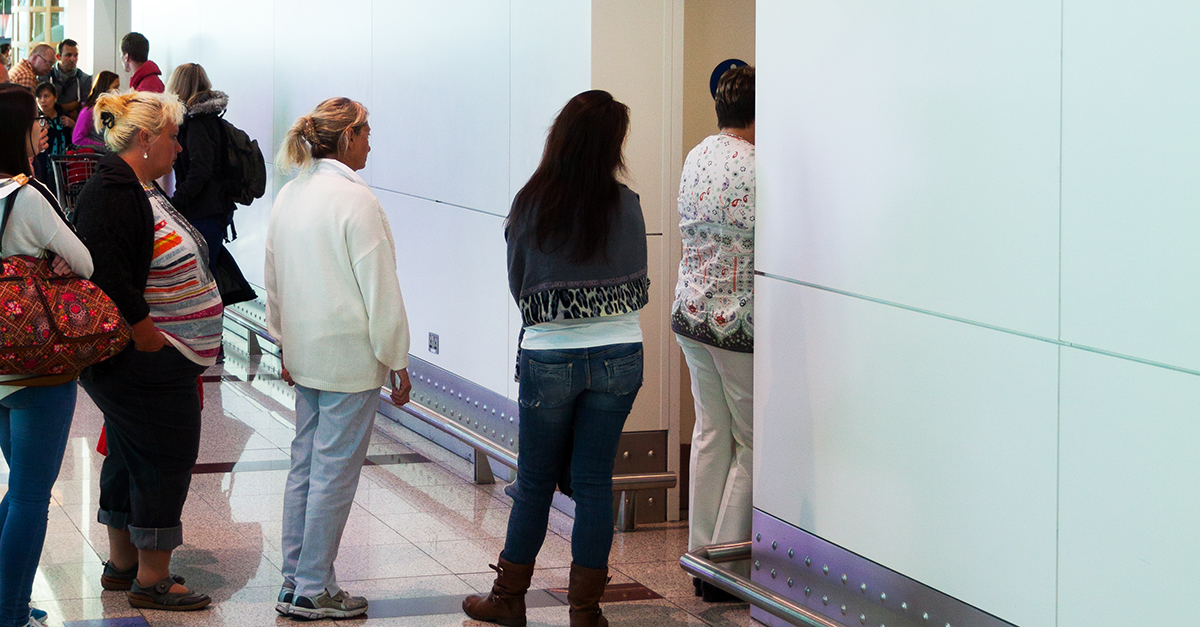
of more than 1,000 American adults based on their experiences during the preceding three months. More than three-quarters of those polled approach public restrooms as a “get in and get out” situation.
To that end, most survey participants expressed a preference for seeing refill levels when using dispensers to facilitate a faster, frictionless experience. This feature gives custodians at-a-glance visibility into product levels, helping them avoid the labor of premature refilling and the last-minute scramble when soap or paper towels run out.
Data-driven empathy
In addition to broad market insights, industrial designers rely on customer feedback, especially during “test, learn, and refinement” phases. Direct customer conversations and timely market research not only inform product decisions but also empower designers to build empathy for target users and specific sectors. For instance, to address the “get in and get out” approach taken by most public restroom users, dispenser designers are adding sensing mechanisms that enable dispensers to perform smarter in response to activity levels.
Adapting dispenser operation based on facility traffic patterns allows users to move through the restroom seamlessly. In addition, facility managers can extend battery life and reduce costs by using dispensers that go into “sleep mode” during periods of inactivity.
The concept of adapting dispensers to their surroundings is a strong step toward smarter, proactive asset management for facility managers. It is also a major advantage for businesses striving to elevate customer experiences.
As GP PRO’s survey revealed, clean and well-stocked restrooms make an excellent initial impression of the overall quality of service at high-traffic venues, high-end restaurants, and everything in between. Among those polled, 64% who had attended a stadium or arena event stated that having clean and well-stocked restrooms enhanced their overall experience, and 58% said this strongly contributed to overall event satisfaction—ahead of seating and food and beverage options.
Data-driven designs also benefit the employee experience. Among employees polled in the GP survey, 60% expected their employer to provide a clean, well-stocked restroom. Over half said the restroom impacted their satisfaction with their work environment more than special amenities, such as daycare and gyms.
Value-added facility management
As restroom care solutions become increasingly intelligence, facility managers will expect much more from their dispensers. Beyond being a mechanism for dispensing products, next-generation dispensers will include new features and functions that boost custodian productivity, decrease dispenser downtime, and reduce unnecessary waste. Not only do facility managers need to ensure their custodial teams can get up-to-speed on new capabilities quickly and seamlessly, but they also want front-line support when troubleshooting issues.
Virtual remote assistance is gaining traction by expediting resolutions to service requests. In particular, the use of QR codes is on the rise, offering mobile phone access to specific digital resources, how-to videos, interactive FAQs, order refills, and more. In addition to driving significant operational efficiencies, these digital tools help custodians feel more empowered, which increases their overall job satisfaction.
According to a GP PRO Maintainer survey of 200 custodians at U.S. facilities, 42% were receptive to scanning a QR code for instructions on troubleshooting dispenser tasks and issues. Additionally, 61% believed their job satisfaction would increase if restocking restroom supplies could be simplified.
Multiple voices and vocations are calling for smarter restroom improvements. The most impactful changes will come from innovative products that deliver better experiences for users, maintainers, and facility managers alike.