In today’s complex risk environment, ensuring the security of commercial and public buildings is no longer just a matter of locked doors and occasional patrols. Facility managers and custodial leaders must address a growing number of threats—from theft and vandalism to workplace violence and unauthorized access—while managing tight budgets and limited personnel. As organizations prioritize safety, many are turning to an evolving set of tools to fill the gaps: robotics and drones.
These technologies are transforming how security is approached across facilities, offering scalable, consistent, and cost-effective solutions to modern challenges.
Security-related risks have become more prominent in recent years. According to the World Security Report 2023, more than US$1 trillion in revenue was lost globally in 2022 due to internal and external security incidents. In the U.S., rising incidents of organized theft, vandalism, and violence continue to stretch facility teams, particularly those responsible for after-hours cleaning and maintenance.
Facility managers are being asked not only to protect property but also to safeguard frontline staff—including custodians—who are often on-site during vulnerable hours. With workplace safety increasingly tied to employer liability and compliance, enhanced security is more than a preference, it’s a necessity.
The labor challenge
Traditional security models, typically reliant on human guards, are becoming less sustainable. According to Service Employees International Union (SEIU), the contract security industry reports national average turnover rates between 100% and 300% annually, driven by long shifts, safety concerns, and low pay. This instability can compromise a facility’s ability to maintain consistent coverage, especially during nights, weekends, or in remote areas.
Labor shortages have also impacted janitorial and maintenance teams, who may find themselves covering broader areas without adequate backup. This creates vulnerabilities in both operational efficiency and personnel safety.
Benefits of robotic and drone security
Facilities that use robotic and drone-assisted security have noticed numerous benefits, including:
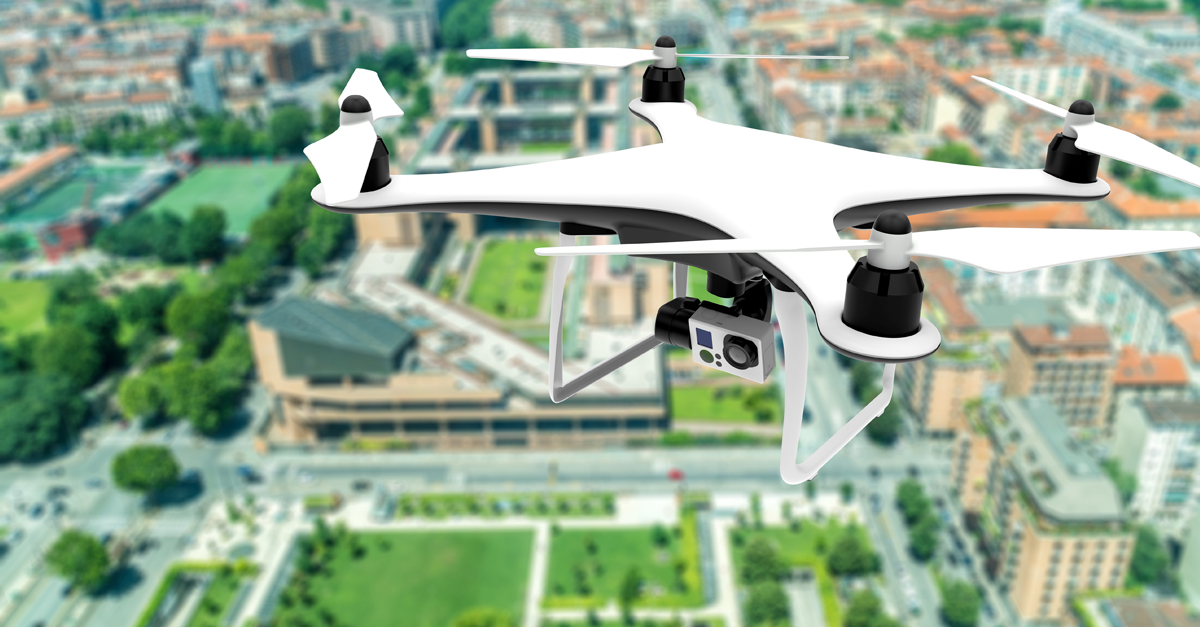
Consistent patrols and coverage: Robotic security units and autonomous drones can be programmed to conduct routine patrols—indoors or around the perimeter of a facility—on a 24/7 basis. Unlike human guards, these systems don’t take breaks, call out sick, or suffer from fatigue. They provide reliable, documented patrols with high-definition video, thermal imaging, and incident detection.
Safety for night crews: Janitorial staff often work alone or in small teams during the night shift. In addition to being present while workers walk to and from buildings, robotic systems can monitor isolated zones and detect anomalies like forced entries or unauthorized movement. This allows custodial teams to focus on their duties with greater peace of mind.
Faster incident response: Some drone and ground-based robotic systems can autonomously respond to triggered alarms—whether from motion sensors, fire alarms, or panic buttons—providing live overhead video to security operations. This not only enhances response time but also reduces the need to place staff in potentially dangerous situations.
Documentation and compliance: Robotic patrols generate automatic logs and video archives, which can assist with investigations, insurance claims, and audits. In sectors with high compliance requirements, the ability to demonstrate proactive security measures is a growing advantage.
Cost efficiency: Although initial investment may appear high, many robotic security programs are offered through robotics-as-a-service models. This model shifts capital expenses to predictable monthly operational costs. Some facilities report up to 50% savings compared to traditional guard models, with patrol frequencies increasing by two to three times as a result.
Setting up a security plan
Facility professionals who plan to integrate robots and drones into their security plan need to follow five steps to ensure successful adoption:
- Conduct a security risk assessment. Work with stakeholders to identify vulnerabilities in your current operations. Focus on areas with limited visibility, high-value assets, or previous incident history.
- Define clear operational goals. Is your objective to reduce theft, increase patrol frequency, or protect lone workers? Technology should be aligned to outcomes—not simply added for novelty.
- Choose scalable, vendor-agnostic platforms. Look for systems that can integrate with your existing access control, video management, or alarm infrastructure. Interoperability ensures long-term value.
- Pilot, then expand. Start with a single site or specific use case (e.g., overnight perimeter patrols). Monitor results, gather staff feedback, and refine protocols before expanding.
- Train your team. Even automated systems require human oversight. Inform your custodial and maintenance staff of how the systems work and how to report anomalies or assist in emergencies.
Addressing concerns and myths
As robotic and drone security technology is new, many people don’t understand it and are fearful of the changes it might bring. You can reassure them by providing answers to frequently asked questions:
- Will robots replace human jobs? In most cases, robotic systems augment human teams rather than replace them. By taking over repetitive or dangerous tasks, robots allow facility and custodial staff to focus on higher-value work.
- Is the technology reliable? Modern robotic systems have logged hundreds of thousands of patrol miles and flight hours. Many operate under Federal Aviation Administration waivers and meet rigorous reliability standards.
- Are drones and robots difficult to manage? Most solutions are full-service, with remote operations centers managing flights, monitoring alerts, and performing maintenance. From a facility’s standpoint, it’s similar to working with a traditional service provider—just one with smarter tools.
A hybrid future
As economic pressures mount and threats evolve, facility managers must adopt more resilient and data-driven approaches to security. The trend is clear: a hybrid model, combining human oversight with robotic consistency and AI-powered insights, is becoming the new standard.
This hybrid system doesn’t just protect buildings. It protects the people who clean, maintain, and support facilities every day.