Commercial facilities are increasingly turning to green cleaning products. From education and healthcare settings to offices and entertainment venues, the people maintaining these facilities are working to meet health, safety, and sustainability expectations and advance broader environmental and wellness goals through the use of green cleaning solutions.
The 2024 Clean Index, CloroxPro’s 3rd Annual Industry Survey, found that two in three cleaning professionals report using eco-conscious products, and 60% of survey respondents indicated that their facility has set a business goal to increase the use of green products.
When implemented effectively, green cleaning programs support worker health and well-being while improving operational efficiency. However, navigating green cleaning choices can be confusing. Countless claims, labels, and
certifications can make it difficult to distinguish between products. Uncertainties about performance, cost, and ease of use persist. These perceptions can create hesitation among both decision makers and front-line staff, even as green products become more common.
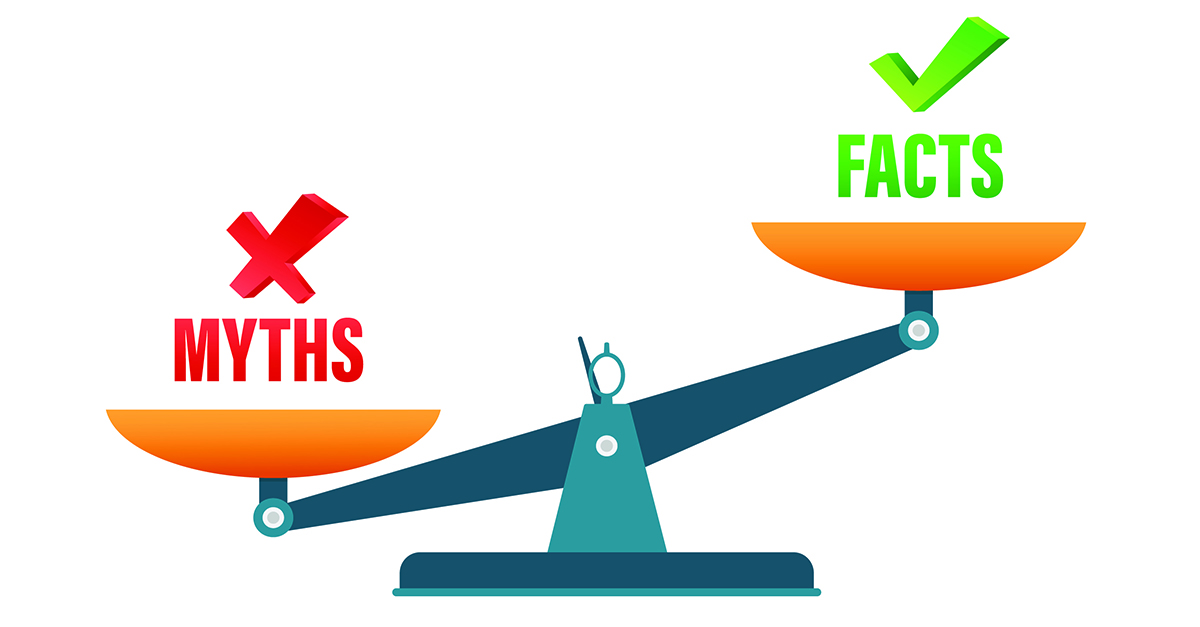
Three common myths keep arising about green cleaning products. Counteracting these myths with practical, experience-based facts can help commercial facilities focus on what truly drives effective and sustainable cleaning programs.
Myth #1: Green cleaning products don’t perform as well
Fact: Cleaning performance depends more on proper use than on whether a product is labeled green.
A common concern among facility managers and cleaning staff is that green cleaning products may not deliver the same results as conventional options, especially in demanding environments such as healthcare facilities, schools, and high-traffic commercial spaces. This concern is often heightened when discussing antimicrobial products that sanitize and/or disinfect, where performance and appropriate use are critical.
It is important to distinguish between cleaning and antimicrobial products. Cleaning products remove dirt and organic matter from surfaces, while antimicrobials, such as sanitizers and disinfectants, destroy or suppress the growth of harmful microorganisms such as bacteria, viruses, and fungi on inanimate objects and surfaces. Antimicrobial products are regulated by the Environmental Protection Agency (EPA) and meet specific data and efficacy requirements, whether marketed as green or not. Some antimicrobial products carry the EPA’s Design for the Environment (DfE) designation, which requires products to meet specific DfE criteria for effects on human health and the environment.
In practice, performance challenges with cleaning or antimicrobial products are more often linked to product use rather than the products themselves. Improper use, such as not allowing the product to remain in contact with the surface for the recommended time, and overuse, such as applying more than necessary, can affect outcomes regardless of formulation. Many issues attributed to green products reflect process gaps rather than limitations in product performance. Facilities that achieve consistent results focus on fundamentals: clear instructions, standardized products, and ongoing training. When products are used as directed and supported by consistent processes, they can perform effectively in everyday operations.
Myth #2: Green cleaning products are always more expensive
Fact: Total cost is driven by how products are managed and used, not just the purchase price.
A common assumption in commercial facilities is that green cleaning products are more expensive and harder to justify within tight operating budgets. This perception often focuses on upfront cost per unit, without accounting for the broader operational impacts of how cleaning programs are designed and managed.
In practice, total cost is influenced by factors such as product standardization, dilution accuracy, and consistency of use. Guidance from various organizations, including New York State’s Office of General Services (OGS), highlights that using fewer products and those with clear instructions can reduce waste, minimize overuse, and support more predictable spending.
Standardization combined with the use of green cleaning products can also affect workforce safety and risk management. Simplifying chemical handling and application may help reduce injuries to custodial staff and associated workers’ compensation claims. In addition, programs designed to minimize unnecessary chemical exposure can contribute to healthier indoor environments, potentially reducing sick days and absenteeism.
Research from the San Francisco Department of the Environment found that certified green products for commercial applications are often offered as concentrates, with pricing comparable to conventional equivalents. To support more accurate cost comparisons, OGS offers a cleaning product cost calculator that converts the cost of concentrated cleaning products into a breakdown of the cost per gallon when diluted, recognizing that purchase price alone may not reflect real-world use costs.
When all these factors are considered, green cleaning products are often cost-competitive within commercial facility operations.
Myth #3: Green cleaning products are harder to train with and evaluate
Fact: Simplified product selection, standardization, and clear guidance make green cleaning easy to implement.
Custodial staff often cite training and product evaluation as concerns when facilities consider green cleaning products, particularly in environments with high turnover or limited time for onboarding. Some managers worry that green products introduce added complexity or require specialized expertise.
In reality, training challenges arise less from green products and more from product variety and unclear procedures. Facilities that reduce the number of products for routine tasks and standardize procedures typically find that training becomes simpler and more effective. Clear labeling, consistent application methods, and hands-on instruction support successful adoption.
Facilities do not need to be chemistry experts to evaluate products. Third-party certification programs such as EPA’s Safer Choice and DfE, Green Seal, and UL Solution’s ECOLOGO provide frameworks for identifying products that meet established criteria for human health and environmental considerations. These programs help facilities streamline product selection, reducing the time and expertise required to assess product claims.
By using standardized products with recognized certifications and committing to consistent training, facilities can more smoothly integrate green cleaning products into routine operations.
Drivers of success
Across commercial facilities, successful green cleaning programs share a focus on people, processes, and consistency.
- Product standardization is a critical starting point. Facilities that limit the number of products for routine tasks simplify training and reduce complexity for front-line staff. At the same time, successful programs incorporate periodic reviews of product portfolios to account for innovations in sustainability and efficacy, allowing facilities to balance standardization with continuous improvement.
- Training and proper use are equally important. Products of any type can underperform if staff are not trained to follow label instructions. Facilities that prioritize hands-on training, clear visual guidance, and regular reinforcement are better positioned to maintain performance.
- Simplified decision-making also supports long-term success. Tools such as EPA’s Safer Choice and DfE can help facilities screen products, allowing managers to focus less on evaluating claims and more on implementation.
When these elements come together, green cleaning programs can deliver meaningful benefits, supporting worker well-being, improving indoor environments, and maintaining operational consistency.