Each winter brings challenges for environmental services teams attempting to stop the spread of infectious diseases in their facilities. People spend more time indoors, the air becomes drier, and ventilation usually decreases, creating ideal conditions for viruses to spread. These challenges impact staffing, cleaning routines, and daily efforts to protect everyone in the facility.
Cleaning & Maintenance Management’s (CMM) annual infection prevention webinar featured three experts: Sophia McCrae, vice president of Operational Strategy at Crothall Healthcare; Rodney E. Rohde, chair and regents’ professor at Texas State University; and Barbara Strain, principal at Barbara Strain Consulting and member of the ISSA Healthcare Advisory Council.
A virus super bowl
McCrae began with a vivid description of the seasonal challenge. Winter, she said, creates nearly ideal conditions for respiratory viruses. Buildings are more crowded, the air is drier, and the body’s defenses are less effective. Inside the nose, tiny hair-like structures called cilia normally trap viruses and move them out of the airways. In dry conditions, mucus thickens and becomes less mobile, making it easier for viruses to bypass that first line of defense.
Rohde added scientific context, explaining that influenza is an RNA virus, which makes it particularly prone to mutation. That’s why vaccines, even when administered, don’t always offer complete protection. “In any given year, even if you’re vaccinated, you still may only be protected 50, 60, 70% against the infection,” he said. “But all the data shows that vaccination will help you prevent severe illness and hospitalization.”
He also pointed out a cultural issue. “We have this really bad habit that we need to break,” Rohde said. “We go to work no matter what each and every day, and a lot of us show up sick.”
Strain reminded everyone that winter brings more than just the flu. RSV, COVID-19, and other respiratory viruses are also common, and the types of viruses spreading can differ from one community to another. “What’s happening in your area may be an epicenter versus other areas,” she said, emphasizing the importance of local tracking.
Norovirus: the all-seasons threat
The panel dedicated significant time to norovirus, a pathogen Rohde described as quick-acting and capable of causing rapid dehydration. It spreads through contact with contaminated surfaces, food preparation, and bodily fluids, and a person recovering from it can still transmit the virus for up to two weeks after symptoms disappear.
Rohde provided a practical tip that is often overlooked: alcohol-based hand sanitizers are ineffective against norovirus. Soap and water are the correct method.
McCrae emphasized that stopping an outbreak often relies on acting swiftly and following protocols. Crothall’s teams utilize special spill kits, train staff on containment and proper protective gear, and treat every norovirus case as a situation that might require additional cleaning.
Overlooked surfaces
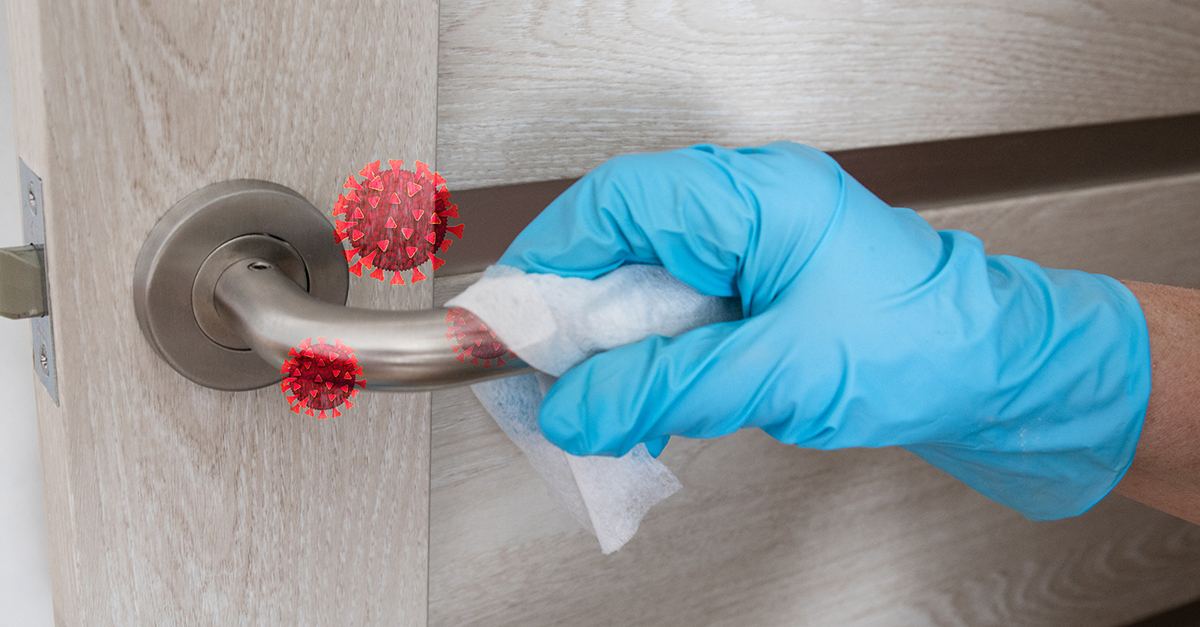
When discussing surfaces, the panel looked beyond the usual areas. Rohde reminded everyone that while high-touch surfaces like bedrails, door handles, and equipment are well known, some spots are more difficult to clean and often overlooked. For example, intensive care units, with many cables and devices, require extra attention and coordination with device experts, as well as careful use of approved disinfectants.
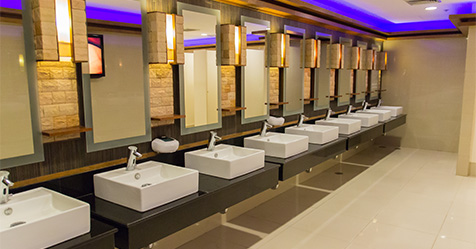
Wheelchair wheels and stretchers that move beyond floors are also germ carriers. Dont forget to focus on restrooms, as flushing toilets or running faucets can create aerosols that spread germs in the room.
McCrae shared that Crothall has been using a third-party microbiological visualization technology to identify where viable spores are present in healthcare environments. The work has highlighted two high-touch areas that need improvement: shower fixtures and disposable glove boxes. In some cases, the findings have led partner organizations to move glove boxes outside patient rooms entirely to reduce cross-contamination.
Air quality’s role
All three panelists highlighted indoor air as an underappreciated factor in disease transmission. Strain outlined the basics: filtration quality, air exchange rates, and the increasing sophistication of filter technology capable of trapping smaller particles. Portable filtration units in busy areas like waiting rooms and emergency departments can add an extra layer of protection.
McCrae explained that Crothall uses low-level dry hydrogen peroxide technology in specific areas. This system operates continuously in occupied spaces at safe levels below Occupational Safety and Health Administration limits. The goal is not to replace regular cleaning but to reduce the number of microbes in the air and on surfaces between cleanings.
Rohde advised facilities to treat their HVAC systems as a vital filtration layer, similar to how lab professionals view personal respiratory protection. He also mentioned that controlling humidity is an ongoing challenge, especially in older buildings where moisture can accumulate inside the HVAC system.
Hygiene culture
The panel emphasized that hand hygiene remains one of the biggest challenges for any facility, and simply monitoring it isn’t enough. Rohde said hygiene is a cultural issue. “It’s really about the culture that you create in your facility and with your personnel, and trying to really emphasize how that saves lives,” he said.
McCrae described a systems-based approach that makes hand hygiene easier, uses digital records, and includes wearable reminder tools. These are intended to promote good habits, not to monitor staff. Risk assessments should determine what type of PPE is needed. Some tasks, like cleaning up vomit or handling medical waste, require more protection than regular cleaning.
Strain emphasized that hand sanitizer does not work on norovirus, which is easy to forget in places where using sanitizer is routine. In these cases, washing with soap and water is essential, so facilities must ensure handwashing stations are easily accessible to staff.
Technology as a complement
During a discussion about cleaning and disinfection technology, the panel consistently emphasized that no single tool is enough on its own. Strain summarized it clearly, describing the ideal cleaning and disinfection approach as a combination: surface materials with antimicrobial properties, ultraviolet lighting, suitable chemistry, and proper cleaning techniques all working together.
McCrae highlighted accelerated hydrogen peroxide formulations as an example of why science matters: the surfactant system within the formulation decreases surface tension, enhances wetting, and enables the disinfectant to penetrate microscopic surface irregularities. For facilities working with limited budgets, she recommended prioritizing cleaning verification and protocol optimization first, because without a reliable baseline, no technology layer will perform as intended.
Strain also mentioned a cost-effective option: using artificial intelligence tools to analyze data like lab results, patient records, and incident reports to identify patterns before an outbreak begins. “If we do X, Y, and Z,” she said, considering it from a value perspective, “the dollars you spend will deliver value by keeping your patients and your staff safe.”
All three panelists agreed on the main point: infection prevention in healthcare is more than just a single product or protocol. It is a discipline that involves every department, surface, air system, and person, and it requires teamwork to succeed.