Facility floors take a constant beating, with daily foot traffic, carts, spills, and exposure to ultraviolet light contributing to wear. Within the past decade, resilient flooring has become the preference for most facility managers due to its sealed, monolithic surface that eliminates micro-gaps and transforms segmented flooring into a continuous, easy-to-clean plane. But when this surface began to deteriorate, maintenance teams historically followed a familiar cycle: clean, strip, apply finish, and eventually replace. That approach is becoming increasingly inefficient, costly, and unsustainable.
Designed only to restore shine and provide short-term protection, these traditional maintenance methods did little to address underlying issues common in resilient flooring, such as seams, joints, and surface inconsistencies where dirt, moisture, and bacteria accumulate. Forward-thinking facility managers are now shifting to a more proactive strategy—one that prioritizes long-term performance, simplified maintenance, and sustainability. Instead of relying on temporary surface treatments, the focus is on creating smooth, sealed flooring systems that are easier to maintain and extend the floor’s usable life.
Reducing maintenance, enhancing sustainability
With previous floor-care methods, replacement was often the only option once polishing stopped delivering results. This option involved demolition, downtime, capital expense, and material waste.
Today, floor refinishing systems offer a practical alternative to replacement. Maintenance teams abrade the existing floor surface and apply a new protective topcoat. The result is a sealed, uniform surface that improves cleanability, restores slip resistance, and reduces areas where contaminants can collect. The operational benefits are immediate and include more efficient autoscrubber performance, faster soil removal, more predictable cleaning outcomes, and reduced labor hours.
Floor refinishing also aligns with sustainability practices prioritized by many facilities, as it significantly reduces the waste and resource consumption associated with replacement.
A recent flooring life cycle assessment by IVL Swedish Environmental Institute found that renewing resilient flooring instead of replacing it can dramatically lower carbon emissions and energy use. According to the assessment, refinishing resilient floors can reduce carbon emissions by up to 89%, cut energy use by as much as 93%, and deliver up to 10 times less global warming potential than full replacement.
For facilities managing large square footage, these statistics represent a meaningful opportunity to reduce environmental impact, control costs, and simplify ongoing maintenance.
Minimizing disruption
Operational continuity is critical in most facilities, but flooring replacement often requires extended downtime, which disrupts services and revenue. Refinishing, by contrast, can often be completed in a fraction of the time it takes for a replacement.
For instance, a high-traffic veterinary clinic in Colorado faced sanitation challenges from newly installed luxury vinyl plank flooring. Rather than replacing the flooring, the team opted for refinishing. Over a single weekend, the floor was sealed with a protective topcoat, eliminating gaps and improving the ease of cleaning. The clinic was fully operational by the start of business on Monday morning.
For environments where downtime is not an option, the speed and flexibility created through refinishing is a major operational advantage.
Balancing durability with design
Refinishing systems also provide flexibility beyond performance and maintenance. Facilities can update the look of their floors—through new finishes, colors, or design elements—without the cost and disruption of replacement. This flexibility is particularly valuable in environments where aesthetics matter, such as hospitality and retail. Facilities no longer must choose between maintaining appearance and controlling costs.
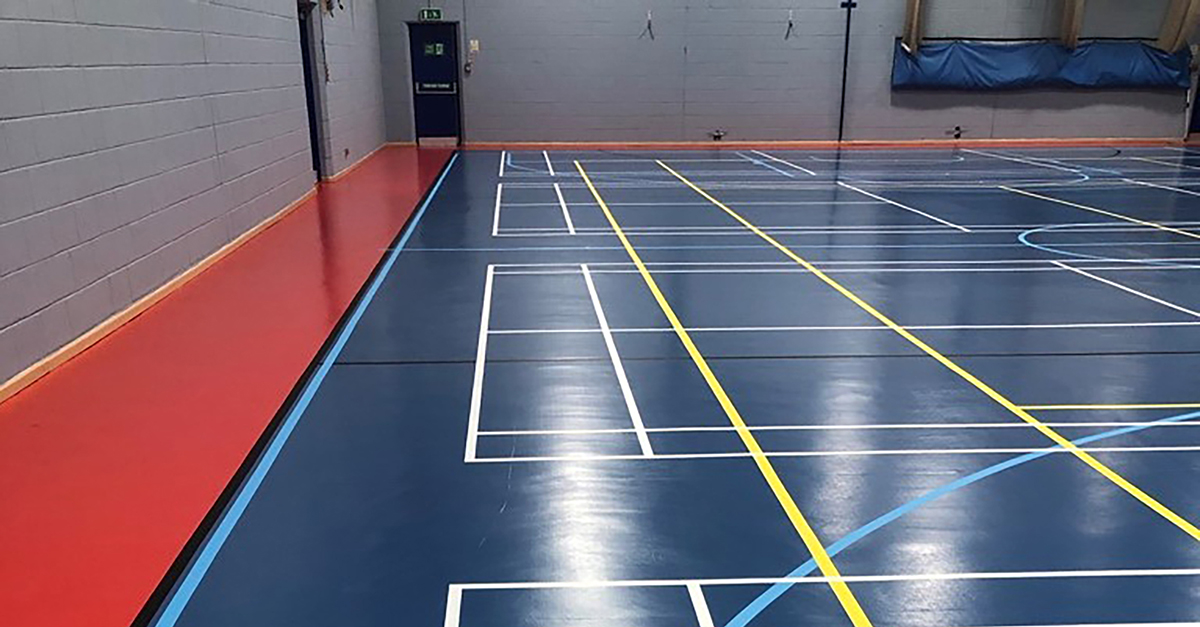
For example, Sunnyside Unified School District in Arizona saved over US$40,000 by renovating its worn and damaged resilient floors instead of replacing them. The process involved stripping and repairing the existing flooring. Maintenance teams abraded and cleaned the surface, then applied a base color with decorative chips, followed by a clear protective sealant. This process created a cohesive, durable design suited for heavy student and staff traffic. Over the long term, it will eliminate the need for future stripping, improving indoor air quality and reducing environmental impact during the floor’s lifetime.
Following old-school guidance
While refinishing is a new approach to resilient flooring, an effective floor care program starts with guidance that hasn’t changed much over the years. Start with instilling a comprehensive, system-based approach to floor care in your facility through periodic training. Facility managers and maintenance teams need a clear understanding of flooring materials, proper cleaning methods, and the chemistry behind the products they use.
Partnering with trained, certified professionals who can recommend processes and products will help ensure consistent results. Consider utilizing waterborne products with low volatile organic compound (VOC) formulations that promote healthier indoor environments. Look for third party certifications, like GREENGUARD, that confirm products meet rigorous standards for environmental and indoor air quality.
Building a smarter strategy
As labor constraints, budget pressures, and sustainability goals continue to shape facility operations, the traditional polish-and-replace model has become outdated. However, maximizing the life cycle of resilient flooring requires a shift in mindset from reactive maintenance to proactive management.
Rethink the practice of prematurely replacing floors. The next generation of floor care focuses on renewal through refinishing. This approach not only extends floor life; it simplifies maintenance, reduces environmental impact, and minimizes disruption.