This summer’s World Cup will host millions of visitors across 16 cities in the U.S., Mexico, and Canada for 104 soccer matches. From June 11 to July 19, FIFA projects 6 million in-person attendees, with each host city welcoming approximately 450,000 visitors.
Take a moment to consider the sheer magnitude of the cleaning tasks required by this sporting event. Soccer fans attending the competition venues will certainly notice if spaces are clean. But the challenge goes beyond sports arenas. Built environments in the 16 host cities will be at maximum capacity. Jammed airports, train stations, and transportation hubs will welcome visitors from around the world. Bustling hotels and restaurants will attend to the visitors’ comfort. Fans will fill the stadiums, hungry and thirsty, expecting a thrilling game. These fans will probably not be thinking about locker room cleanliness.
However, the manufacturers, distributors, and professional cleaners that comprise the Making Safer Choices Community of Practice—led by ISSA, Penn State College of Medicine, and the City of New York School of Medicine—encourage facility service providers to pause and think about the locker rooms, the space where elite athletes last huddle before competitions. The environmental conditions of these spaces will impact athletes’ health and, ultimately, the games.
A locker room’s environmental conditions are influenced by a myriad of factors, from the room’s structure and layout and the activities performed there to the cleaning products chosen and practices utilized to clean it. Proper locker room cleaning and disinfection can help protect soccer players from illnesses, skin conditions, and indoor air contaminants that will affect their performance.
Team norovirus penalties
An estimated 2,500 norovirus outbreaks occur in the U.S. each year, according to the Centers for Disease Control and Prevention. Infected people shed high viral loads, and crowded conditions encountered in sports competitions foster outbreaks. Norovirus outbreaks can lead to vomiting, diarrhea, and dehydration severe enough to prevent athletic competition, as happened during the 2026 Milan Cortina Winter Olympics.
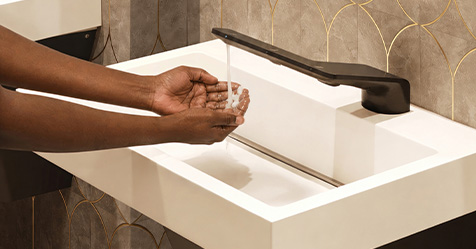
Norovirus rapidly spreads through direct, person-to-person contact and through contact with contaminated surfaces, such as gym equipment. Thorough hand washing with soap is effective in removing the germs, but the virus is resistant to alcohol-based hand sanitizers.
Yellow card skin concern
Skin injuries, typically abrasions, are common in soccer, with the risk of injuries dependent on factors such as a player’s position and the playing turf. A systematic review published in the Orthopaedic Journal of Sports Medicine revealed 0.8 to 6.1 injuries per 1,000 player hours, potentially resulting in time lost from participation and a need for medical attention.
Athletes are also at risk of heat-related rashes due to inflammation, pressure, and friction. When creased skin becomes inflamed, blisters can form and break, resulting in a skin barrier breakdown that increases the risk of secondary infection.
Secondary infections occur when microbes infect already-damaged skin. Microbial skin infections are a major concern in contact sports and can be spread by contact in locker rooms, on buses and benches, and during practice and competition, according to a study on athlete skin conditions published in The American Journal of Sports Medicine. Examples of these infections include bacterial infectious rashes, cellulitis, folliculitis, abscesses, cutaneous fungal infections (tinea), and herpes simplex.
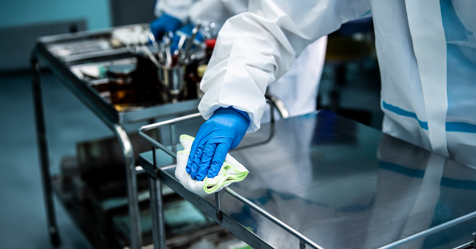
This risk of secondary infections demands a rigorous sanitation of locker rooms. However, exposure to harsh volatile organic compounds (VOCs) found in some cleaning and disinfecting products can trigger respiratory irritation and asthma. To protect breathing zones, cleaning crews should avoid using spray products.
Asthma fouls
According to numerous studies, asthma is a chronic health condition common among elite athletes. Research published in the journal Allergy found that 8.3% of U.S. Olympians between 2002 to 2010 had asthma but still competed at the highest levels. A 12-year survey of 659 Italian Olympic athletes published in Current Opinion in Allergy and Clinical Immunology revealed a 14.7% prevalence of asthma and 49% sensitization to inhalant allergens. An examination of 1,375 athletes before the 2022 Beijing Olympic Games, published in Frontiers in Allergy, found an asthma prevalence of 16.5%.
Asthma management guidelines emphasize the importance of identifying and avoiding asthma triggers. Indoor triggers include cleaning products encountered as aerosol mists and fumes or as gas
vapors.
Poor indoor air quality affects athletes in all sports. A study of NFL quarterbacks and MLB pitchers, published in the International Journal of Environmental Research and Public Health, linked environmental particulate air pollution with athletic performance, specifically on errors made by pitchers, interceptions thrown by quarterbacks, and overall quarterback performance when competing in areas with poor air quality.
To lower the risk of athletes encountering asthma triggers and air pollution in locker rooms and stadiums, housekeeping teams can choose cleaning products that meet the Environmental Protection Agency’s Safer Choice Label requirements. Visit epa.gov/saferchoice for a list.
Score a healthy hat trick
Teams come to the World Cup to win. Fans come to watch epic contests. Although crowds are part of the event’s magic, large groups can increase the spread of germs, leaving athletes vulnerable.
Appropriate facility management protocols that prioritize cleaning and disinfection with nontoxic products will be central to U.S. hospitality during this year’s World Cup. Cleaning professionals focused on techniques that help prevent infectious disease outbreaks and other health issues deserve a trophy for keeping everyone’s focus on the games.