Each year, EXHIBITOR Magazine recognizes top-performing convention centers through its prestigious Centers of Excellence program. The 2026 honorees—25 convention centers across North America—represent the best in exhibitor experience, operational performance, innovation, and service delivery.
Excellence in today’s meetings and events industry is no longer defined solely by square footage, loading docks, or Wi-Fi bandwidth. In a post-pandemic world shaped by heightened health awareness, sustainability expectations, and workforce safety concerns, the definition of “best-in-class” has fundamentally changed.
Increasingly, excellence is measured by how well facilities protect people and support public health. This shift is clearly reflected in the 2026 Centers of Excellence honorees, among which 10 (40%) are GBAC STAR™ accredited and 14 (56%) are LEED certified.
Seven facilities among the 25 hold both GBAC STAR and LEED certification:
- Baird Center, Milwaukee
- Charlotte Convention Center, Charlotte, North Carolina
- Greater Columbus Convention Center, Columbus, Ohio
- Hawaii Convention Center, Honolulu
- McCormick Place, Chicago
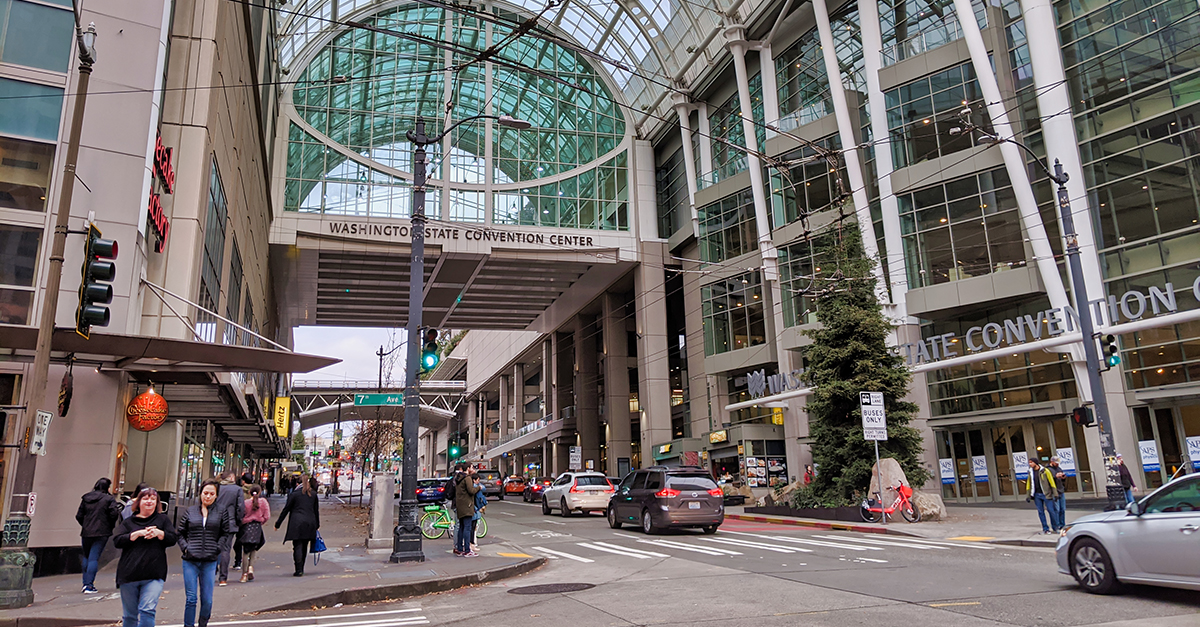
- Seattle Convention Center, Seattle
- Walter E. Washington Convention Center, Washington, D.C.
Creating new venue baselines
Trade shows and large events bring people from all over the world together. The convention centers where they gather are complex ecosystems where indoor air quality, surface hygiene, waste management, chemical selection, and cleaning protocols intersect.
Before they book venues, event organizers are asking new questions:
- How is cleaning verified and standardized?
- What protocols are in place to prevent the spread of infectious diseases?
- How does the building support healthy indoor environments?
- What sustainability outcomes can be measured and not just claimed?
The convention centers recognized in the 2026 Centers of Excellence program demonstrate that leading venues are responding to these questions by aligning operations with recognized third-party standards, including GBAC STAR Accreditation and the U.S. Green Building Council’s Leadership in Energy and Environmental Design (LEED) certification.
Cleaning to protect health
The Global Biorisk Advisory Council® (GBAC), a division of ISSA, The Association for Cleaning and Facility Solutions, established GBAC STAR accreditation to help facilities implement the highest level of cleaning, disinfection, and infectious disease prevention practices.
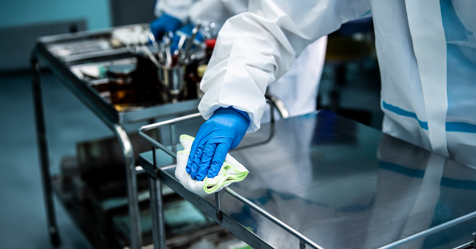
GBAC STAR is not a marketing label—it is a performance-based accreditation grounded in science, training, documentation, and continuous improvement. Facilities seeking GBAC STAR accreditation must demonstrate:
- Evidence-based cleaning and disinfection protocols
- Formal bio-risk management programs
- Appropriate chemical selection and use
- Worker training and competency verification
- Emergency response and outbreak preparedness
- Ongoing auditing and program review
For convention centers, this translates into predictable, transparent, and defensible cleaning operations. GBAC STAR accreditation shows a strong commitment to structured infection prevention and cleaning for health. Accredited venues recognize that cleaning is not simply about appearance. It is about risk reduction, workforce protection, and occupant safety and confidence.
Cleaning as essential infrastructure
As the global voice of the cleaning industry, ISSA plays a central role in elevating cleaning from a custodial function to a recognized public health service.
Through GBAC, professional training programs, standards engagement, and evidence-based guidance, ISSA supports facilities across the built environment in implementing Cleaning for Health™ principles. This approach emphasizes:
- Risk-based cleaning strategies
- Safer chemistry and responsible product selection
- Measurable outcomes instead of visual inspection alone
- Worker health, safety, and professionalization
- Alignment between facility management, sustainability, and health goals
The Centers of Excellence honorees illustrate how convention centers are operationalizing these principles by embedding cleaning into broader environmental, social, and governance (ESG) frameworks rather than treating it as a back-of-house activity.
Designed to support health
While GBAC STAR focuses on operational health protection, LEED addresses how buildings are designed, renovated, and operated to support environmental and human health outcomes. LEED-certified buildings demonstrate
performance in:
- Indoor environmental quality
- Ventilation and airflow effectiveness
- Energy efficiency and emissions reduction
- Water conservation
- Waste diversion and recycling
- Responsible materials selection
LEED certification provides planners and exhibitors with verifiable sustainability data, helping organizations meet corporate sustainability commitments while selecting venues aligned with their ESG goals.
Selecting a convention location
For event professionals, selecting a venue is no longer just a logistical decision; it is a risk management decision. Venues aligned with GBAC STAR™ and LEED provide:
- Evidence-based cleaning and bio-risk, management
- Reduced reputational and operational risk
- Integration of cleaning, sustainability, and health into core operations
- Alignment with corporate sustainability reporting
In competitive event markets, these factors increasingly influence attendance, exhibitor retention, and long-term brand reputation. Venues investing in health and sustainability are also investing in business resilience and long-term relevance.
Envisioning the future
The Centers of Excellence convention centers are not simply hosting successful trade shows. They are redefining responsible venue management.
By investing in GBAC STAR accreditation, LEED certification, and ISSA-aligned best practices, these venues demonstrate leadership that extends beyond the event floor by committing to healthy indoor environments supported by science.